
The central question remains unanswered in most promotional material: does betaine citrate genuinely deliver on its digestive health claims, or does it represent another overhyped supplement riding the wave of consumer desperation? Clinical evidence reveals a more nuanced reality than marketing copy suggests. Betaine citrate shows mechanistic promise in supporting digestive function, yet the evidence base remains limited by the absence of large-scale randomised controlled trials. Understanding what betaine citrate can and cannot accomplish requires examining the biochemistry, evaluating research quality honestly, and establishing realistic expectations.
Betaine citrate demystified: separating evidence from exaggeration
Betaine citrate exists at the intersection of legitimate biochemistry and commercial opportunism. The compound itself — chemically a salt combining trimethylglycine (betaine) with citric acid — functions as a methyl donor in various metabolic pathways. This is established biochemical fact. Where evidence becomes considerably thinner is in the translation from metabolic role to digestive symptom relief.
The confusion surrounding betaine supplements begins with nomenclature. Betaine citrate differs fundamentally from betaine hydrochloride (betaine HCl), yet consumers frequently conflate the two forms. Betaine HCl directly acidifies the gastric environment by providing hydrochloric acid, making it contraindicated for individuals with reflux or gastritis. Betaine citrate operates through indirect metabolic support rather than direct pH manipulation, positioning it as potentially appropriate for a broader range of digestive complaints.
Betaine citrate essentials: composition and function
Betaine citrate is trimethylglycine’s citrate salt, functioning as a methyl donor in homocysteine metabolism. Unlike betaine hydrochloride, it does not directly alter gastric pH. UK regulations classify it as a food supplement, not a medicinal product.
Regulatory classification matters when evaluating efficacy claims. The European Food Safety Authority’s 2017 safety assessment established that betaine supplementation at approximately 400 mg per day is considered safe for adults in addition to background dietary exposure. The assessment focused on safety thresholds rather than therapeutic efficacy, reflecting the regulatory reality that food supplements require safety demonstration but not clinical effectiveness proof.
This regulatory distinction creates the space for exaggerated marketing claims. Betaine citrate may support digestive function through its metabolic roles, but characterising it as a miracle cure misrepresents the current evidence base. Professional consensus increasingly points toward betaine citrate as a potentially useful adjunct for individuals with specific digestive patterns — particularly those with suspected hypochlorhydria — rather than a universal digestive panacea.
The digestive mechanism: how betaine citrate interacts with your system
Understanding betaine citrate’s potential digestive benefits requires tracing its interaction with three key physiological processes: gastric acid regulation, nutrient bioavailability, and broader metabolic support. The compound does not act through a single dramatic mechanism but rather through subtle influences across multiple digestive stages.
Stomach acid balance and pH regulation
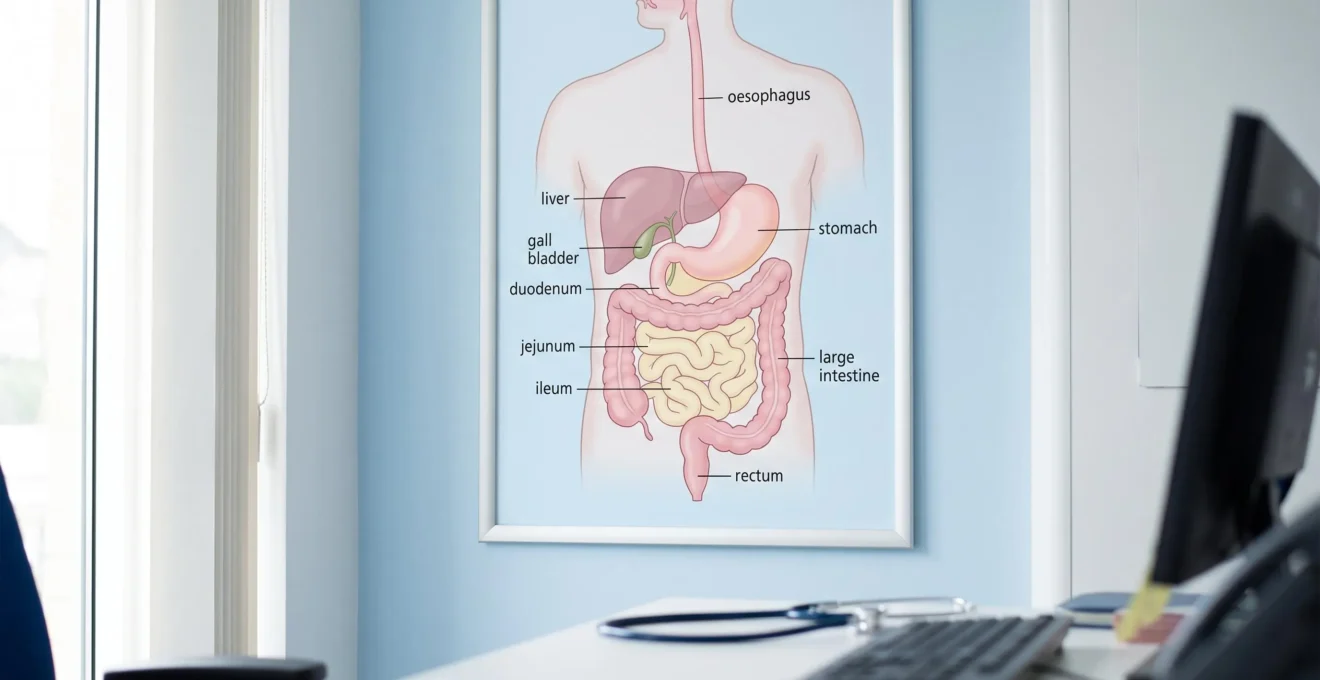
Gastric acid production relies on parietal cells secreting hydrochloric acid to create the stomach’s characteristic acidic environment (pH 1.5-3.5). This acidity serves multiple functions: activating pepsinogen to pepsin for protein digestion, creating a hostile environment for ingested pathogens, and facilitating mineral ionisation for absorption. Gastric acid production may decline with advancing age in some individuals, a condition termed hypochlorhydria, though prevalence varies widely between populations.
Betaine citrate does not directly supply hydrochloric acid. Rather, clinical hypotheses suggest it may support the metabolic pathways involved in maintaining optimal gastric function through its role as a methyl donor. The evidence for this indirect support mechanism remains primarily mechanistic rather than demonstrated through robust clinical outcomes. Individuals experiencing genuine achlorhydria (complete absence of stomach acid) require medical evaluation rather than supplement intervention.
Nutrient absorption in the small intestine
The stomach’s acidic environment influences nutrient bioavailability well beyond the gastric chamber itself. Certain vitamins — particularly B12, which requires intrinsic factor released in acidic conditions — and minerals including iron, calcium and zinc depend on adequate gastric acidity for optimal absorption in the small intestine. Insufficient stomach acid may contribute to nutrient deficiencies over time, though this relationship involves multiple confounding variables including dietary intake patterns and individual absorption capacity.
Betaine citrate’s potential contribution to nutrient absorption operates through the same indirect pathway: if the compound genuinely supports gastric acid adequacy (a claim requiring further clinical validation), downstream nutrient bioavailability might improve. The evidence chain remains incomplete, requiring individuals to weigh mechanistic plausibility against the absence of large-scale absorption studies specifically examining betaine citrate intervention.
Liver function and methyl donor activity
As a methyl donor in homocysteine metabolism, betaine supports liver detoxification. Some researchers hypothesise this may indirectly benefit digestive health through enhanced bile production, though this remains speculative rather than proven.
The distinction between betaine citrate and betaine hydrochloride becomes critical when selecting appropriate supplementation. The table below clarifies key differences:
| Characteristic | Betaine Citrate | Betaine Hydrochloride |
|---|---|---|
| pH Impact | Indirect metabolic support; does not directly acidify | Directly provides hydrochloric acid, lowering gastric pH |
| Best For | Bloating, mild indigestion, general digestive support | Confirmed hypochlorhydria under professional guidance |
| Avoid If | Minimal contraindications; generally well-tolerated | Reflux, gastritis, peptic ulcers (acidifying effect exacerbates) |
| Typical Dosage | 400-1000mg daily with meals | 500-650mg with protein-containing meals |
Evidence-based outcomes for common digestive complaints
Clinical research examining betaine citrate specifically for digestive symptom management remains surprisingly limited. The most commonly reported challenge in evaluating supplement efficacy is the gap between mechanistic studies demonstrating biochemical pathways and clinical trials measuring symptom improvement in real-world populations. Betaine citrate suffers acutely from this evidence gap.
The conditions for which betaine citrate is most frequently marketed — bloating, indigestion, heartburn — affect the majority of UK adults. This same research identified bloating as causing anxiety in 18% of respondents, reflecting the condition’s impact beyond mere physical discomfort. Yet NICE clinical guideline CG184 on dyspepsia management makes no reference to betaine citrate, recommending a four-week course of proton pump inhibitors as first-line treatment for indigestion symptoms.
This absence from official clinical guidelines does not definitively invalidate betaine citrate’s utility, but it establishes the evidence hierarchy clearly. Professional consensus recommends betaine citrate as a potential option for individuals seeking alternatives to pharmaceutical intervention or those with mild symptoms not requiring medical management, rather than as a replacement for evidence-based treatments in persistent or severe cases.
Evidence limitations requiring professional medical evaluation: Current scientific evidence base for betaine citrate in digestive health relies primarily on mechanistic studies and small-scale observations rather than large randomised controlled trials. Individuals experiencing severe or persistent digestive symptoms require medical evaluation to exclude underlying pathology such as gastritis, peptic ulcers, or functional digestive disorders requiring specialist management.
Consider an individual experiencing postprandial bloating three to four times weekly following evening meals, with no diagnosed digestive pathology. After eight weeks of betaine citrate supplementation at 650mg with dinner, bloating episodes reduce to once weekly — a meaningful improvement yet not complete resolution. This response pattern reflects betaine citrate’s role as supportive intervention rather than definitive cure, with outcomes varying based on underlying causative factors.
User responses vary considerably. Some report improvement within two to four weeks, others observe minimal change.
Betaine citrate works most effectively when combined with digestive-friendly dietary patterns, as explored in our assessment of food rebalancing. Supplement intervention cannot compensate for dietary patterns fundamentally incompatible with digestive comfort — rapid eating, excessive portion sizes, or foods individually poorly tolerated.
Selecting and using betaine citrate supplements safely
The betaine citrate supplement market varies considerably in product quality, formulation standards and price point. Navigating this landscape requires specific quality markers that consumers can verify independently rather than relying on marketing claims. Third-party testing provides the most reliable quality assurance, confirming that products contain stated dosages without contaminants.
- Verify third-party testing certification (Informed-Sport, NSF International, or equivalent independent verification)
- Confirm betaine citrate dosage per serving falls within the 400-1000mg range supported by safety assessments
- Check excipient list for unnecessary fillers, artificial colours, or common allergens
- Ensure UK or EU regulatory compliance (look for MHRA compliance or EU food supplement registration)
- Assess transparent labelling — batch numbers, expiry dates, and manufacturer contact details clearly displayed
- Evaluate value — calculate cost per day rather than per bottle to compare products accurately
Quality betaine citrate formulations meeting these criteria include products such as UPSA Citrate de betaine – 10 packets, which provide appropriate dosage in convenient formats. These standardised formats ensure consistent dosage and quality assurance batch-to-batch. Established pharmaceutical manufacturers typically maintain higher quality control standards than newer market entrants without production track records.

Dosage protocols in clinical research typically range from 500mg to 1000mg daily, taken with meals to support digestive processes during active digestion phases. The EFSA safety assessment establishes an upper threshold, but individual tolerance and response require personal calibration. Starting at the lower end of the dosage range and increasing gradually allows assessment of individual response whilst minimising potential for mild gastrointestinal adjustment symptoms.
Safety considerations remain relatively minimal for betaine citrate compared to more interventionist supplements. The compound is generally well-tolerated in most individuals at recommended doses. Potential interactions with medications affecting stomach acid levels — particularly proton pump inhibitors or H2 antagonists — warrant discussion with a healthcare professional, as the supplements may work at cross-purposes.
- If experiencing primarily reflux or heartburn:
Consult your GP before betaine supplementation; these symptoms may indicate conditions requiring medical evaluation. Betaine citrate is not appropriate as first-line intervention for gastro-oesophageal reflux.
- If experiencing bloating and mild indigestion after meals, with no existing digestive diagnosis:
Betaine citrate represents a reasonable trial option. Start with 500mg with main meals for 4-6 weeks to assess individual response. Monitor symptom patterns carefully.
- If currently taking proton pump inhibitors or antacids regularly:
Discuss betaine citrate with your GP or pharmacist before combining supplements with acid-suppressing medications, as objectives may conflict.
- If symptoms are severe, persistent beyond 3 weeks, or worsening:
Seek medical evaluation rather than self-treating with supplements. Persistent digestive symptoms may indicate underlying pathology requiring investigation.
Your betaine citrate questions answered
How long before noticing digestive improvement with betaine citrate?
Response timeframes vary significantly between individuals. Clinical observations suggest that those who benefit typically notice changes within two to six weeks of consistent daily supplementation. Individuals experiencing no improvement after eight weeks may have digestive complaints stemming from causes other than gastric acid insufficiency.
Can betaine citrate be taken alongside probiotics?
No known interactions exist between betaine citrate and probiotic supplements. The two operate through different mechanisms — betaine supporting gastric function and methylation pathways, probiotics influencing intestinal microbiota. Many individuals use both concurrently as part of comprehensive digestive support protocols.
What side effects might betaine citrate cause?
Betaine citrate is generally well-tolerated at recommended dosages. Mild gastrointestinal adjustment — slight nausea or temporary digestive change — may occur in the first few days as the body adapts. These effects typically resolve within one week. Individuals experiencing persistent adverse effects should discontinue use and consult a healthcare professional.
Is betaine citrate suitable during pregnancy?
Pregnant women should consult their midwife or GP before starting any new supplement, including betaine citrate. Whilst no specific safety concerns have been identified in available research, pregnancy represents a special population requiring individualised professional guidance for all dietary supplements.
How does betaine citrate cost compare to conventional digestive remedies?
Quality betaine citrate supplements typically cost £8-15 monthly at standard dosing. This is moderately priced compared to ongoing antacid purchases and more economical than prescription proton pump inhibitors. Cost-effectiveness depends on individual response — those experiencing improvement find it justified, whilst non-responders gain no value.
Should betaine citrate be taken indefinitely or as a short-term intervention?
Betaine citrate can be used short-term (8-12 weeks to assess response) or long-term (ongoing maintenance if beneficial). Some use it situationally around triggering meals, whilst others maintain daily supplementation. Periodic reassessment — discontinuing for 2-3 weeks to evaluate symptom return — helps determine necessity. Incorporating betaine citrate into your digestive wellness routine can form part of sustainable health improvements, similar to evidence-based approaches in our list of good resolutions.
Important limitations and precautions
- Betaine citrate efficacy varies significantly between individuals and digestive conditions
- Current scientific evidence base remains limited with few large-scale clinical trials
- Not suitable as replacement for medical diagnosis of persistent digestive symptoms
- May interact with certain medications, particularly those affecting stomach acid levels
Professional consultation recommended: GP (General Practitioner) or registered dietitian, particularly if taking prescribed medications or experiencing severe or persistent symptoms.
This content is provided for informational purposes and does not constitute medical advice. Consult a qualified healthcare professional for any decisions concerning your health.